Skills cover SDK integration, building flows and paywalls, pre-publish audits, placement migration, and more. Describe the task in plain language and your agent picks the skill.
Info
To proceed with this guide, make sure you’ve completed the store integration and created at least one product as described in the previous guide on adding products.
Now that you have products, you need a way to show them to users. Adapty gives you two options:
Flow & Paywall Builder (recommended): No-code visual editor for the full purchase journey. The Adapty SDK renders the result natively, so there’s no UI code to write.
Custom paywall: You create a custom paywall, attach products to it, and render the UI yourself in app code.
Both options end the same way: you attach what you built to a placement. The placement is what your app calls at runtime to fetch the right content for the right user.
Important
Flows require Adapty SDK v4.0 or later.
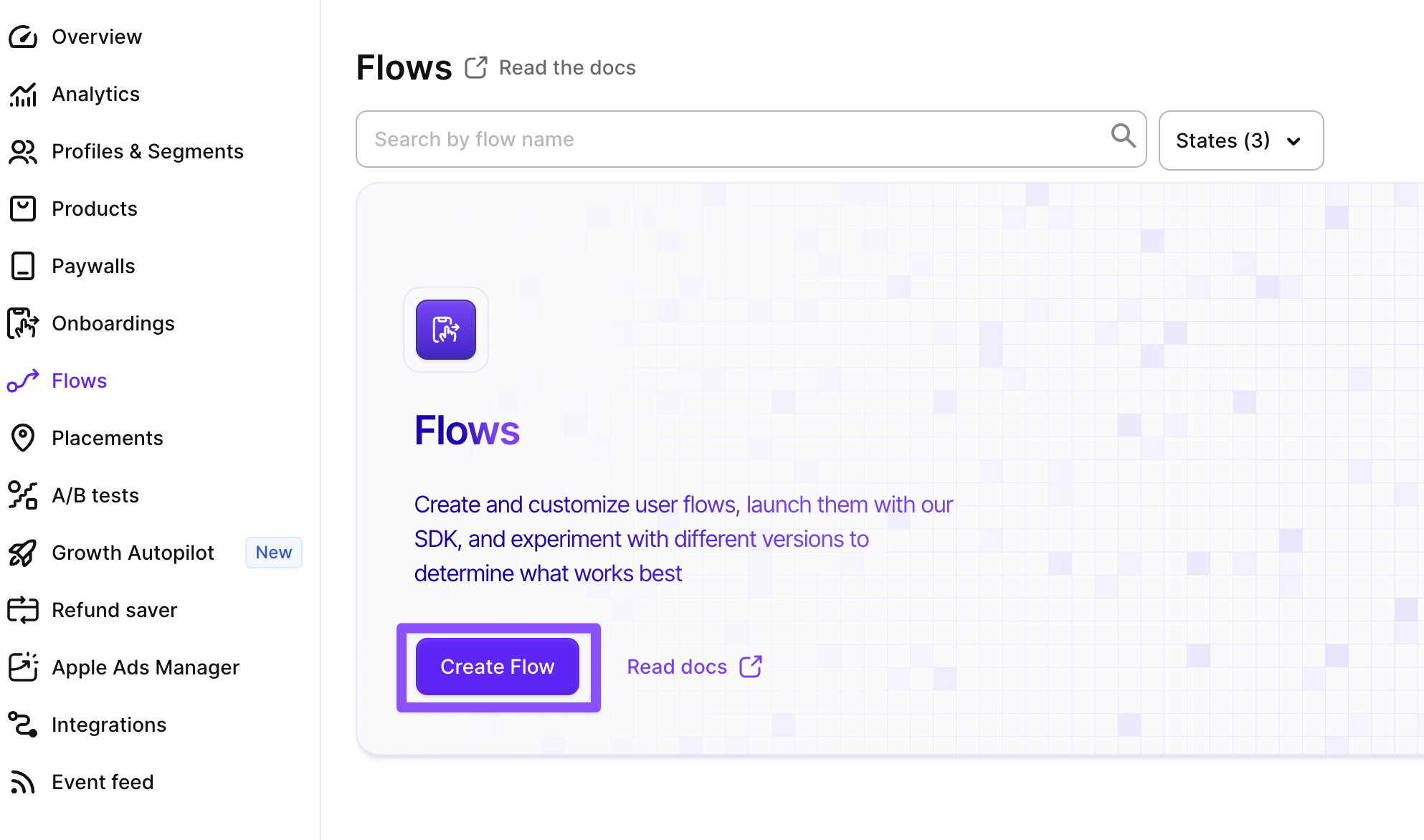
A flow is one or more screens with products embedded directly. You design it in the Flow & Paywall Builder — no code required.
The Adapty SDK renders flows natively on each platform. Your app calls getFlow, and the SDK presents the screens, handles purchases, and reports events. No separate UI code, no paywall to maintain alongside.
1. Build the flow
Go to Flows & Paywalls in the Adapty main menu and open the Flow & Paywall builder tab.
Once your flow is saved and published, move on to wiring it into a placement.
Warning
Don’t forget to publish the flow! If you don’t publish it, you can’t add it to a placement.
2. Add the flow to a placement
Create a placement A placement is a specific point in your app where you show a flow, paywall, onboarding, or A/B test. Placements let you target specific audiences with your content. Learn more about placements. so your app can request the flow at runtime.
Let’s start with the most essential one — the onboarding placement. Later, you can add more meaningful placements throughout the user journey.
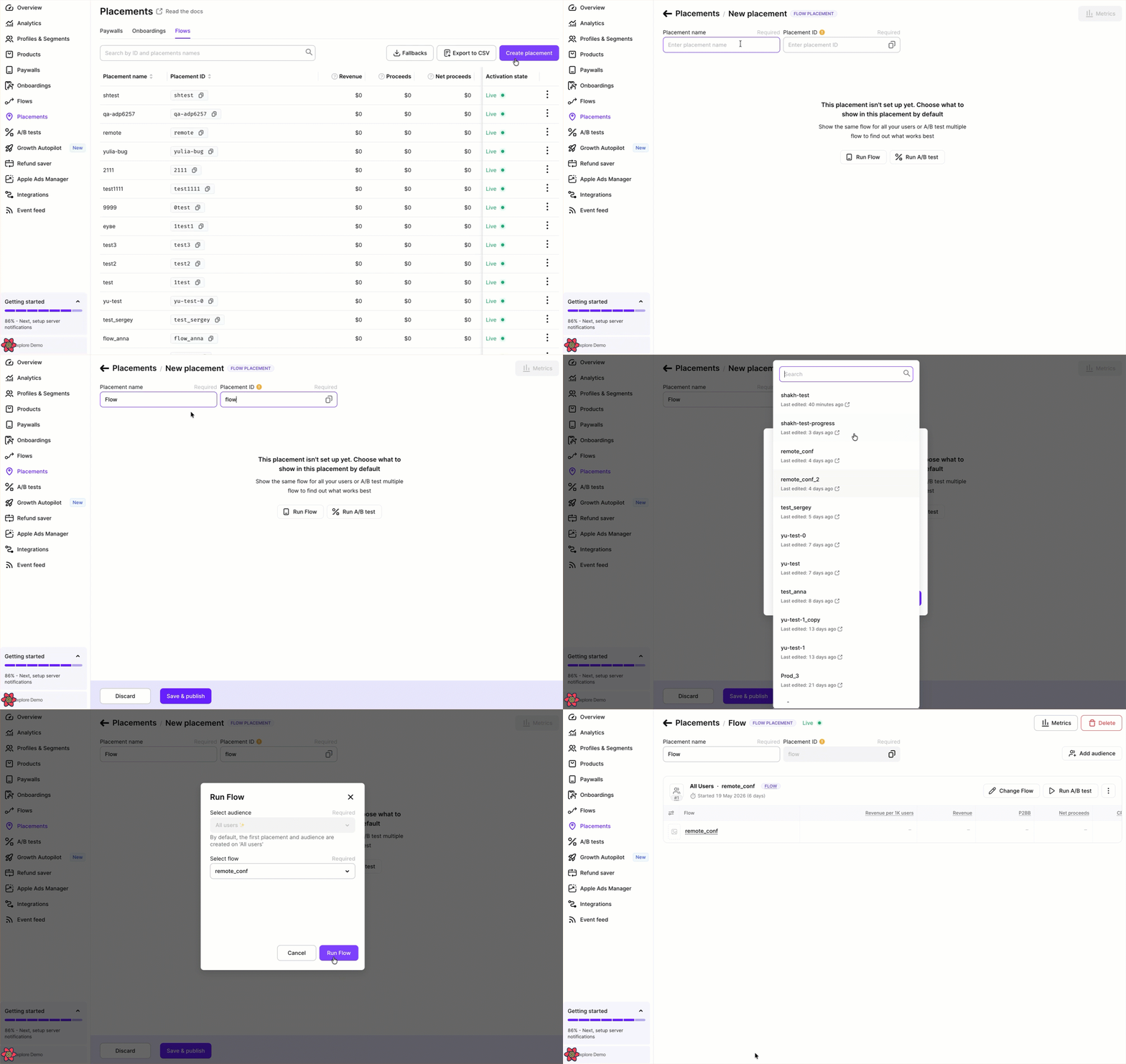
Go to Placements in the Adapty main menu and switch to the Flows tab.
Click Create placement.
Enter a Placement name (e.g., main or onboarding). This is an internal identifier in the Adapty Dashboard.
Enter a Placement ID. You’ll use this ID in the Adapty SDK to load the placement’s flow.
Click Run flow and choose the flow you just built.
Click Save & publish.
In your app code you hardcode only the placement IDs. Everything else — which flow runs, which products it sells, how it looks — is configured in the Adapty Dashboard and can be changed anytime without an app update.
Tip
Adapty lets you show different flows to various user groups and analyze performance. Learn more about audiences and A/B tests.
A custom paywall is a remotely configured container for one or more products. Adapty serves the product list and an optional remote config JSON payload — your app code reads them and draws the UI.
Tip
Setting up Adapty programmatically? You can complete this step using the Developer CLI.
1. Create a custom paywall
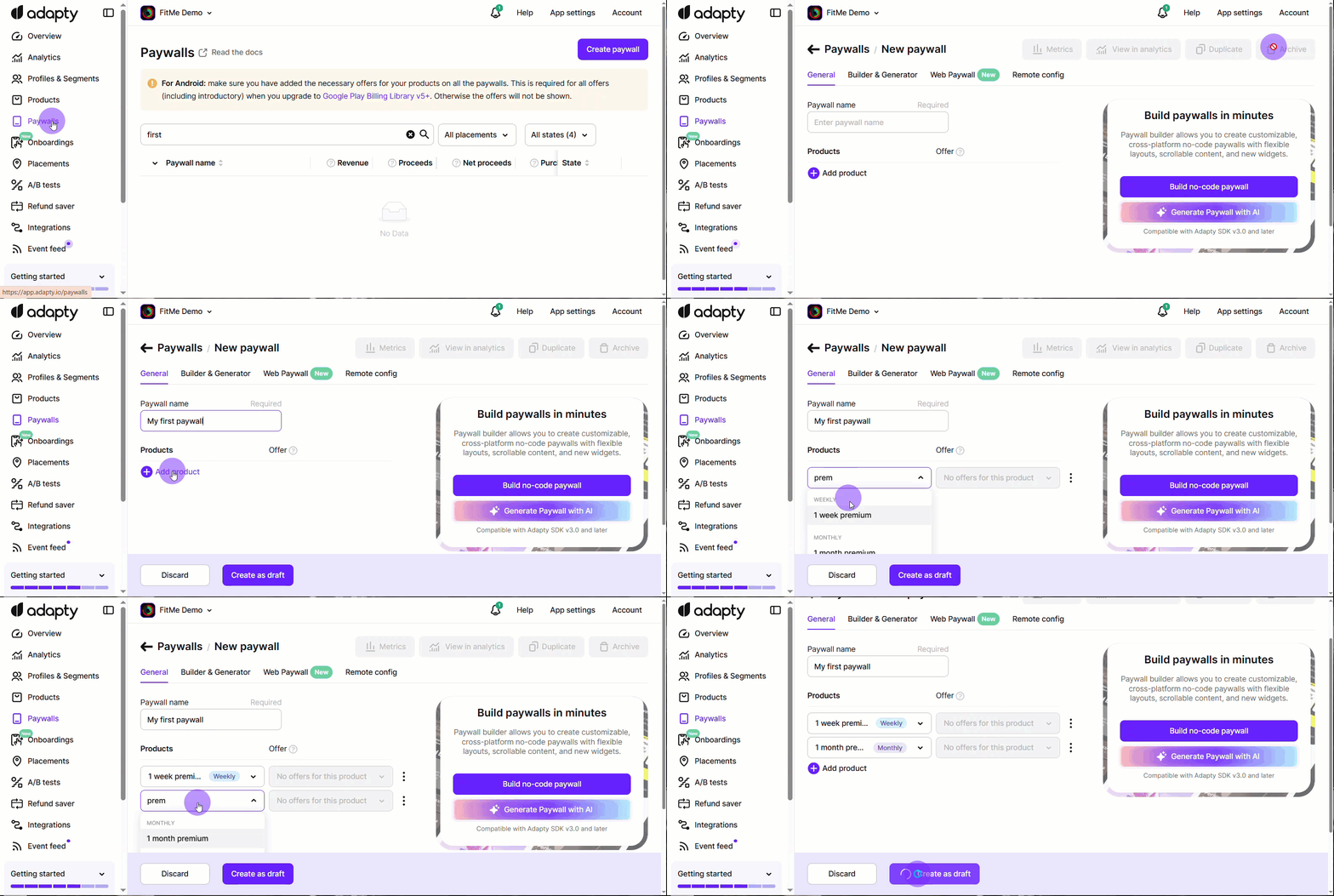
Go to Flows & Paywalls in the Adapty main menu and open the Custom Paywalls tab.
Click Create custom paywall.
Enter a Paywall name. This is an internal identifier in the Adapty Dashboard.
Click Add product and pick the products to display on the paywall.
(Optional) Open the Remote config tab and add any JSON payload your app needs (titles, copy, feature flags). See Design custom paywall with remote config for details.
Create a placement A placement is a specific point in your app where you show a flow, paywall, onboarding, or A/B test. Placements let you target specific audiences with your content. Learn more about placements. so your app can request the paywall at runtime.
Let’s start with the most essential one — the onboarding placement. Later, you can add more meaningful placements throughout the user journey.
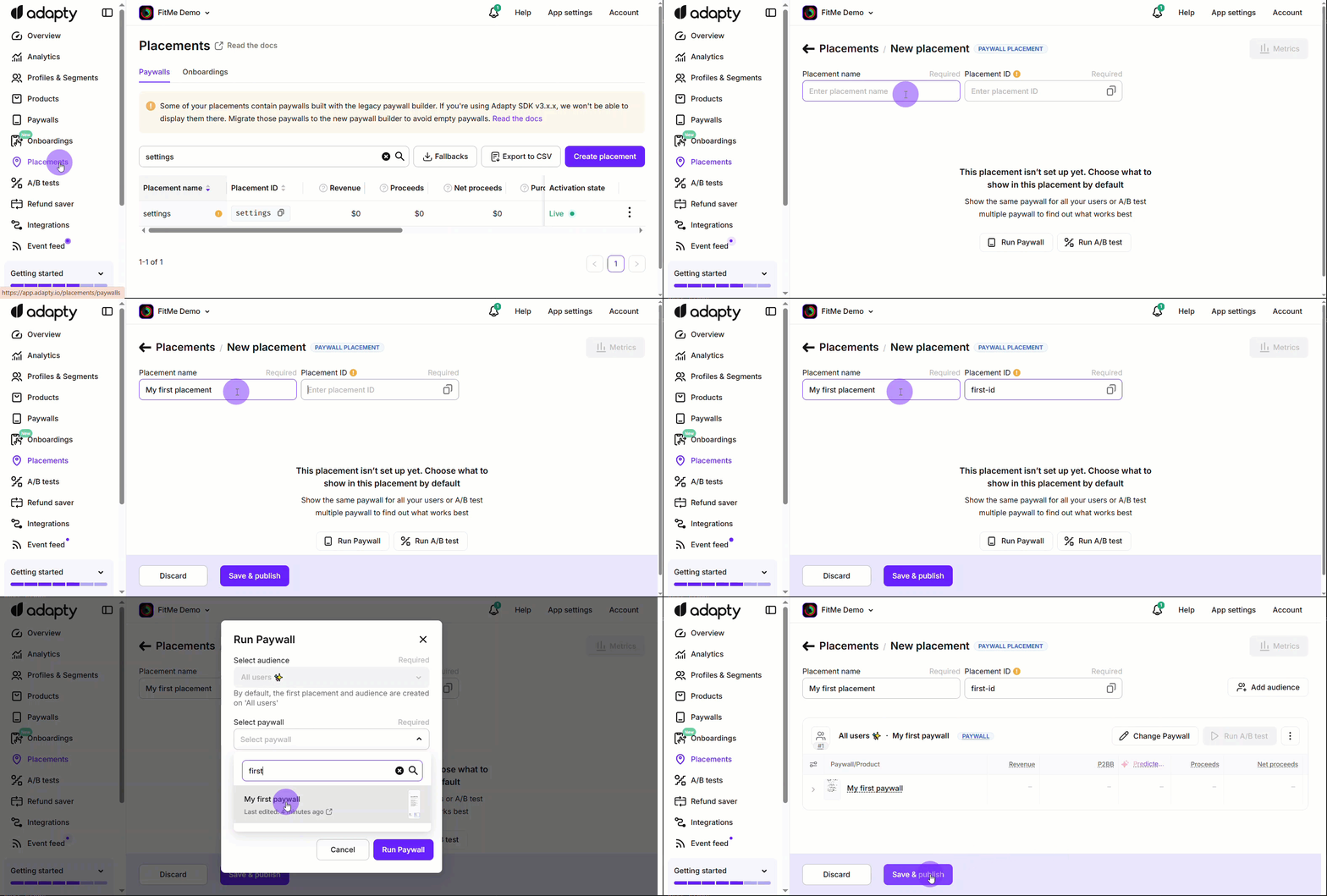
Go to Placements in the Adapty main menu and switch to the Paywalls tab.
Click Create placement.
Enter a Placement name (e.g., main or onboarding). This is an internal identifier in the Adapty Dashboard.
Enter a Placement ID. You’ll use this ID in the Adapty SDK to load the placement’s paywall.
Click Run paywall and choose the paywall you just created.
Click Save & publish.
In your app code you hardcode only the placement IDs. Everything else — which paywall runs, which products it sells, the remote config — is configured in the Adapty Dashboard and can be changed anytime without an app update.
Tip
Adapty lets you show different paywalls to various user groups and analyze performance. Learn more about audiences and A/B tests.
Next steps
You now have something for the SDK to deliver. Next, integrate the Adapty SDK into your app and start fetching the placement.