

Productivity app

Trip planning
Highlights
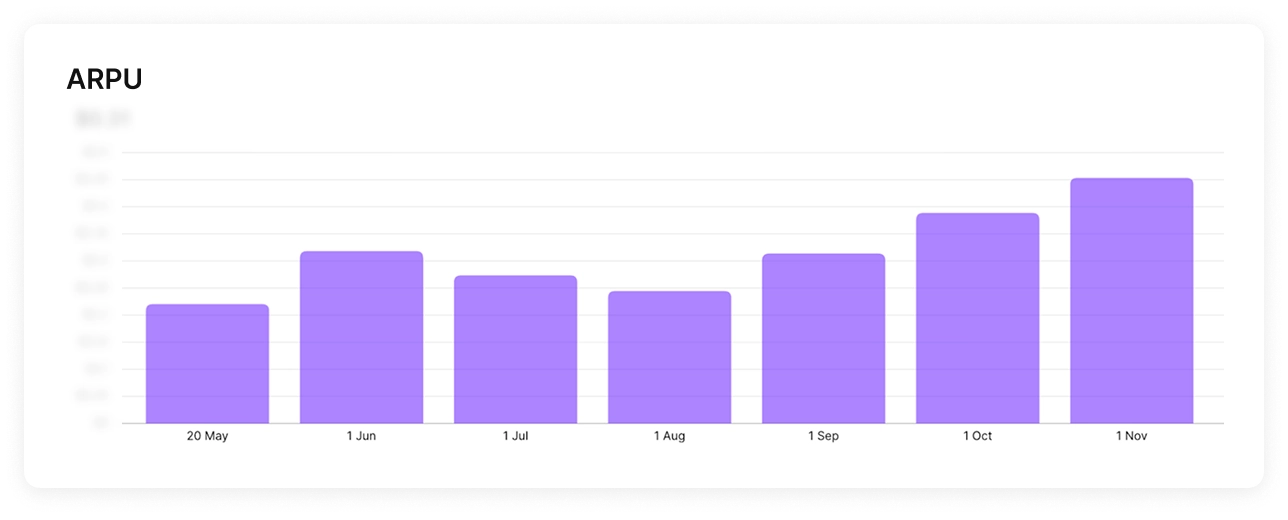
- Around 50% growth in ARPU
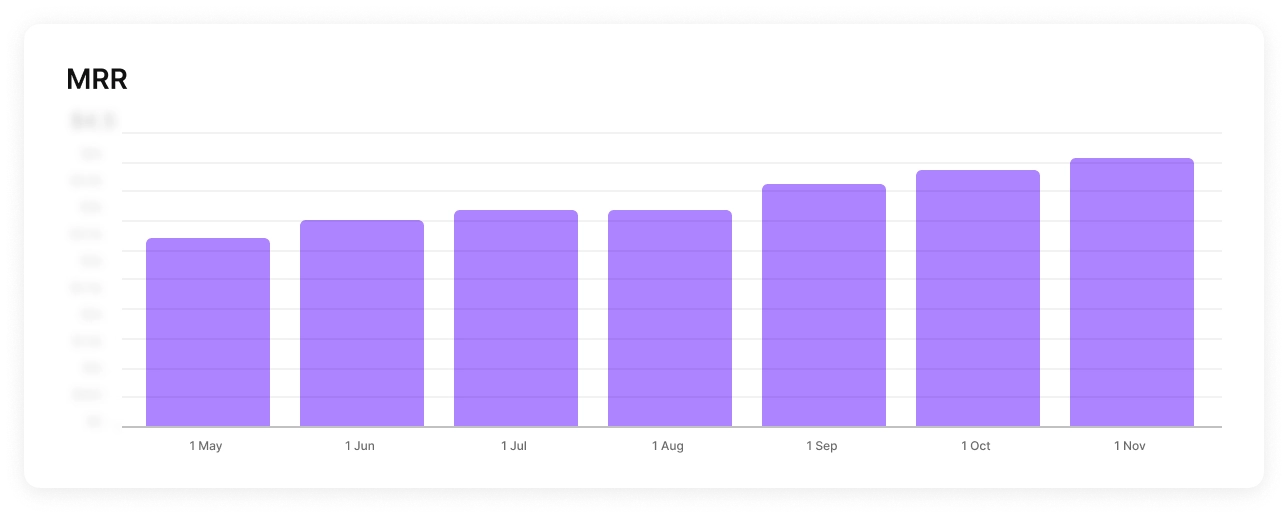
- 30%+ overall revenue growth after turning on Autopilot
“الكتابة على الصور” (“Text on pic”) is a Photo & Video app on the App Store that helps users create better visuals for social media and messaging. The app combines AI image generation, ready-to-use post templates, and a custom design mode so users can quickly edit or design images for any occasion.
The team behind the app is small: a few developers and designers, plus two product stakeholders who handle pricing and experiments. That setup gives them speed, but also limits how many tests they can run at once.
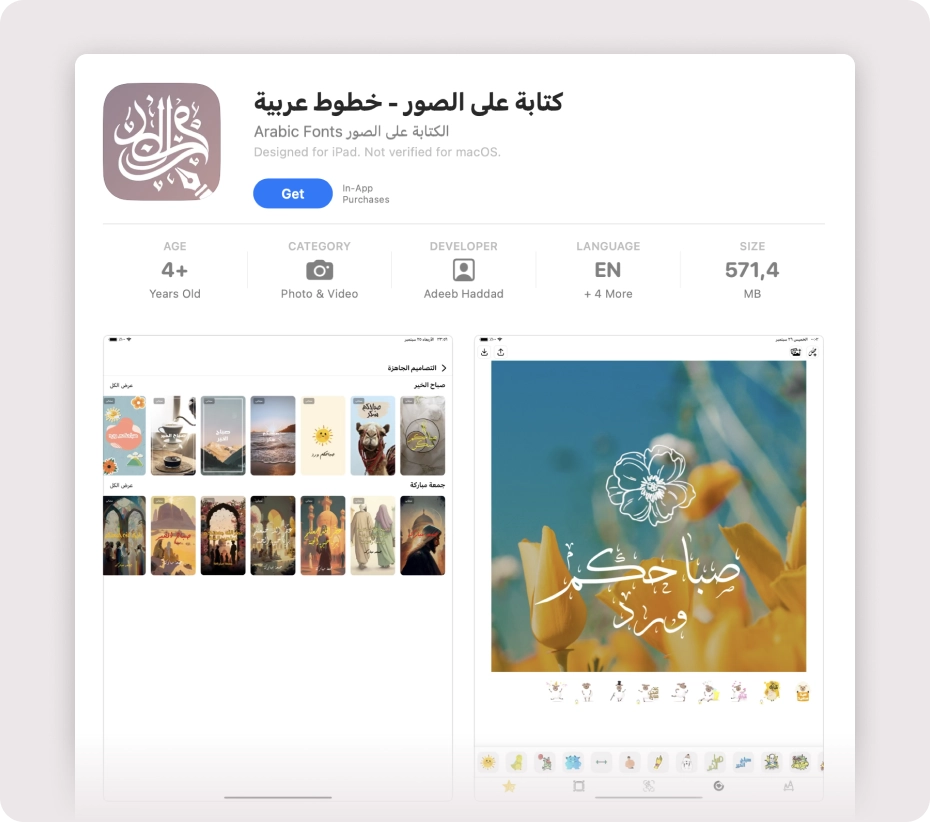
The need for clarity
Before Autopilot, every pricing experiment required building a new paywall. The team created a new version, shipped it, then waited weeks to gather data. For an app with seasonal growth, this process made it hard to trust the numbers.
The team wanted faster and more reliable experiments to grow revenue — they’ve seen potential, but weren’t sure how to proceed.
With Adapty Autopilot, they wanted to change that.

Experimenting with Autopilot
The team behind “Text on pic” were eager to try out Autopilot in beta, long before the official launch.
Autopilot started with the app analysis, comparing its prices with competitors and benchmarking them against market averages across different subscription durations. This comparison convinced the team that there is a potential uplift and room for improvement.
After analysis, Autopilot suggested several ideas to test. Naturally, the team started with prices, as these changes have the highest revenue uplift potential.
Pricing
Annual subscriptions were the top choice among users, so Autopilot recommended testing a higher price to increase revenue. Starting from the upper range, the team iterated until they reached a balanced point that maintained conversion while improving revenue. With Adapty’s clear UX, each update required only a few clicks to roll out new prices and identify the best performers.
To guide more users toward the yearly plan, the team also introduced a weekly option. Showing a direct week-to-week comparison made the yearly plan more compelling, which helped lift ARPU.
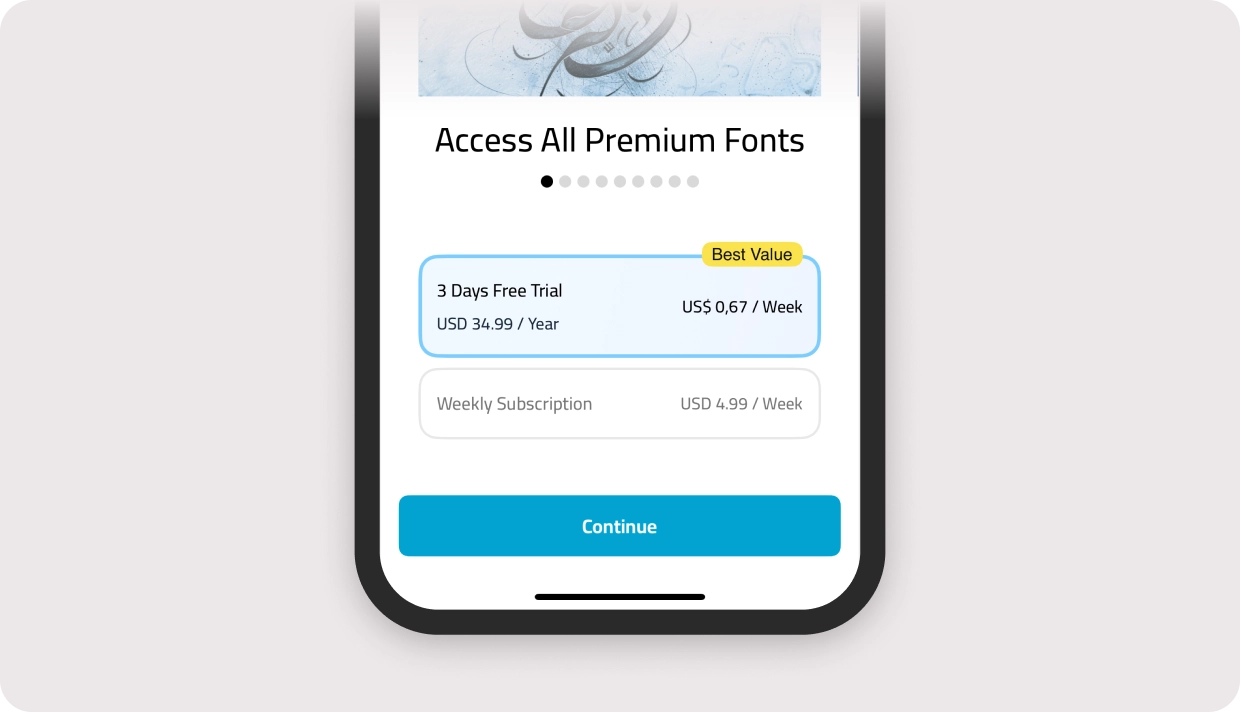
The new prices were applied to all new users. This helped the team see the impact of Autopilot across their full funnel and collect statistically meaningful data faster.
Visuals
Alongside pricing, the team also ran visual experiments on the paywall, analyzing each change in a separate A/B test.
- They added a countdown timer to create a sense of urgency. That’s one of the proven tricks to help overcome users’ uncertainty.
- One more thing was a free-trial toggle. Giving users a sense of control positively affects their decision-making.
After roughly two weeks, confidence in the results noticeably increased, and the team continued experimenting.
Results: more revenue and more confidence in testing
After initial success, the team continued following Autopilot’s testing plan. They started in May, and by the end of month 4, the app saw more than 30% growth in revenue.
At the same time, ARPU grew by around 50% by month 4 and even more by month 5, which confirmed that the new pricing structure captured more value from the existing audience.
With Adapty Autopilot, experiments moved from ad hoc and manual to continuous and data-driven. Every experiment has a cost, and Autopilot reduced it greatly.
The tool:
- Handles the mechanics of continuous price testing
- Reduces the need for manual version-by-version experiments
- Encourages the team to test ideas they would otherwise avoid
What’s next
After the success with pricing experiments, the team plans to go deeper with localization and set prices that match the dynamics of each market. Alongside pricing, they are preparing the product for broader internationalization. New internal tools are making this process faster, although adapting paywalls for multiple markets remains a complex task.
The team also plans to experiment with new paywall styles to understand which formats resonate best across regions, supporting both their localization efforts and long-term growth strategy.