What is an indie developer?
An indie developer (short for “independent developer”) is an individual or a small team that creates software applications, mobile apps, or video games without financial or creative backing from a major publisher, corporation, or studio. The term “indie” derives from “independent,” emphasizing the developer’s autonomy in every aspect of the product lifecycle — from concept and design to development, marketing, and distribution.
Unlike developers working within large organizations, indie developers self-fund their projects (or rely on crowdfunding, personal savings, or small investments) and retain full creative control over their work. They typically handle multiple roles simultaneously: coding, designing user interfaces, managing marketing campaigns, providing customer support, and making business decisions.
The indie development movement has grown significantly since the launch of the Apple App Store in 2008 and Google Play Store, which democratized software distribution and allowed solo creators to reach millions of users worldwide. Today, indie developers build everything from in-app subscription-based productivity tools and utility apps to viral mobile games and niche creative software.
What truly distinguishes an indie developer is not the size of the team or the budget but the independence of decision-making. As veteran game designer Ron Gilbert noted, the definition of “indie” sparks considerable debate in the development community — some define it by funding source, others by creative philosophy, and still others by the scale of the operation. In practice, most indie developers share a common trait: they build products driven by personal passion and creative vision rather than corporate directives.
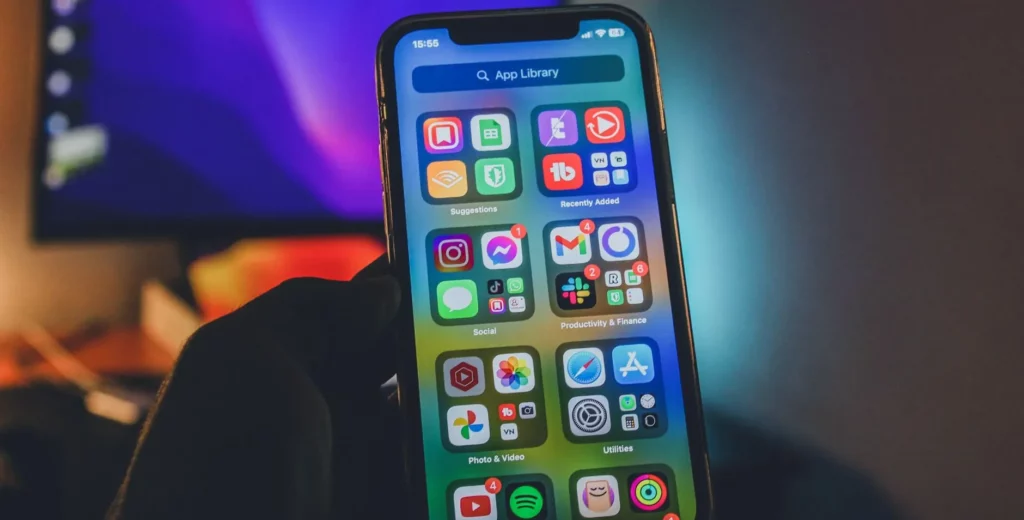
Key characteristics of indie developers
Indie developers share a distinct set of traits that set them apart from developers working at established companies or large studios. Understanding these characteristics can help aspiring creators determine if the indie path aligns with their goals.
| Characteristic | Description |
|---|---|
| Creative independence | Indie developers have full control over their product’s vision, features, design, and direction. There are no committees, stakeholders, or executives overriding creative decisions. |
| Self-funding | Projects are typically funded through personal savings, small loans, crowdfunding platforms like Kickstarter, or revenue from previous apps. There is no reliance on publisher funding or venture capital. |
| Small team size | Most indie operations consist of a solo developer or a team of 2–5 people. Some successful indie apps — such as Stardew Valley and Flappy Bird — were built entirely by a single person. |
| Multi-role responsibility | Indie developers wear many hats: programmer, designer, marketer, customer support agent, business manager, and content creator. This breadth of responsibility is one of the most challenging aspects of indie work. |
| Direct user relationships | Indie developers often communicate directly with their users through social media, email, or forums. This close feedback loop enables rapid iteration and builds strong community loyalty. |
| Platform-native focus | Many indie app developers invest heavily in platform-specific features — such as StoreKit integrations, Widgets, Shortcuts, and Apple Watch support — often outpacing larger competitors in adopting new OS capabilities. |
| Passion-driven development | Indie projects frequently originate from a developer’s personal need or interest. This intrinsic motivation often translates into thoughtfully designed products with strong attention to detail. |
| Lean operations | Without corporate overhead, indie developers operate with minimal expenses. This allows them to take creative risks and experiment with unconventional ideas that larger companies might avoid. |
| Flexible monetization | Indies experiment freely with various revenue models: one-time purchases, in-app subscriptions, freemium tiers, in-app purchases, and ad-supported models, adapting quickly based on user feedback and conversion rate data. |
| Iterative and agile | Without bureaucratic processes, indie developers can ship updates rapidly, respond to bugs immediately, and incorporate user feedback within days rather than months. |
Indie developers vs. AAA developers: key differences
The indie and AAA (large studio/publisher-backed) development worlds represent two fundamentally different approaches to building software and games. While both can produce exceptional products, their methodologies, resources, and priorities differ significantly.
Team size and structure. AAA studios employ hundreds or even thousands of developers, designers, artists, QA testers, and marketing professionals organized into specialized departments. Indie developers, by contrast, work alone or in teams of 2–5, with each person covering multiple disciplines. This leanness gives indies agility but limits the scope and polish they can achieve within a given timeline.
Budget and resources. AAA projects often operate with budgets ranging from millions to hundreds of millions of dollars. Indie developers work with minimal budgets — sometimes nothing more than the cost of a developer account ($99/year for Apple’s Developer Program) and their own time. This financial constraint forces creative problem-solving but also limits marketing reach and production quality.
Creative control. In AAA environments, creative decisions pass through layers of management, focus groups, and publisher approval. Indie developers make every creative decision themselves, allowing for unconventional ideas, niche appeal, and rapid pivoting. This freedom is why indie apps often feel more personal, opinionated, and unique.
Development timeline. AAA titles typically require 3–7 years of development. Indie apps and games can launch in weeks or months. Flappy Bird, one of the most successful mobile games ever, was built in just 2–3 days. Of course, more complex indie projects like Stardew Valley took over four years, but even this is shorter than most AAA cycles.
Monetization approach. Large publishers rely on well-established monetization frameworks — premium pricing, season passes, microtransactions, and aggressive advertising campaigns. Indie developers have the freedom to experiment with subscription revenue models, freemium approaches, paywall strategies, and even donation-based systems. Tools like Adapty help indie developers implement and optimize their in-app purchase and subscription strategies without building complex backend infrastructure from scratch.
Risk and reward. AAA projects carry enormous financial risk due to their budgets, but also have the marketing machinery to drive massive launch sales. Indie projects carry lower financial risk (since budgets are small) but face the challenge of discovery — standing out among millions of apps in crowded marketplaces.
User relationships. AAA companies interact with users through community managers, PR teams, and official channels. Indie developers speak directly with their users, building personal relationships and fostering loyal communities. This direct connection is one of the strongest advantages an indie developer has.
Pros and cons of indie app development
Advantages
Complete creative freedom. The most cited benefit of indie development is the ability to build exactly what you envision. Without corporate constraints, you can pursue niche ideas, experiment with unconventional designs, and pivot your product based on your own judgment. Many of the most beloved and innovative apps emerged from this kind of creative liberty.
Direct user impact. When users love your indie app, the satisfaction is deeply personal. You see the feedback, respond to feature requests, and witness the direct impact of your work on people’s lives. As indie iOS developer Lukáš Petr described after 15 years of indie work, the reward is finding your work fulfilling and having a sense of ownership over what you create.
Financial upside potential. While income is not guaranteed, successful indie apps can generate significant revenue with very low overhead. Since there are no investors, publishers, or large teams to pay, the majority of revenue flows directly to the creator. With the right paywall optimization strategy and strong user acquisition, even a single indie app can provide a full-time income.
Skill development. Wearing many hats forces indie developers to grow across multiple disciplines — coding, design, marketing, business development, customer support, and analytics. This breadth of experience is invaluable regardless of where your career takes you.
Flexibility and autonomy. You set your own schedule, choose your tools, and work from anywhere. There are no mandatory meetings, performance reviews, or corporate politics. This lifestyle flexibility is a significant draw for many indie developers.
Disadvantages
Income instability. Revenue from indie apps is unpredictable, especially in the early months or years. Many indie developers spend extended periods earning little to no income before their app gains traction. It can take years to reach a point where app revenue covers basic living expenses.
Isolation and burnout. Working alone means no teammates to brainstorm with, no one to share the workload during crunch periods, and limited social interaction. The combination of multiple responsibilities and uncertain outcomes can lead to significant stress and burnout.
Limited resources. Without a company’s resources, indie developers must handle everything themselves — including areas where they may lack expertise, such as marketing, legal matters, or complex backend infrastructure. This can slow progress and lead to suboptimal decisions.
Discovery challenge. With millions of apps available on the App Store and Google Play, visibility is a major obstacle. Without a marketing budget, even excellent apps can go unnoticed. App Store analytics and organic installs become critically important for growth.
Competitive pressure. Indie developers compete not only with other indies but also with well-funded startups and tech giants. Keeping up with platform changes, new OS features, and evolving user expectations requires continuous learning and development.
Examples of apps created by indie developers
Stardew Valley
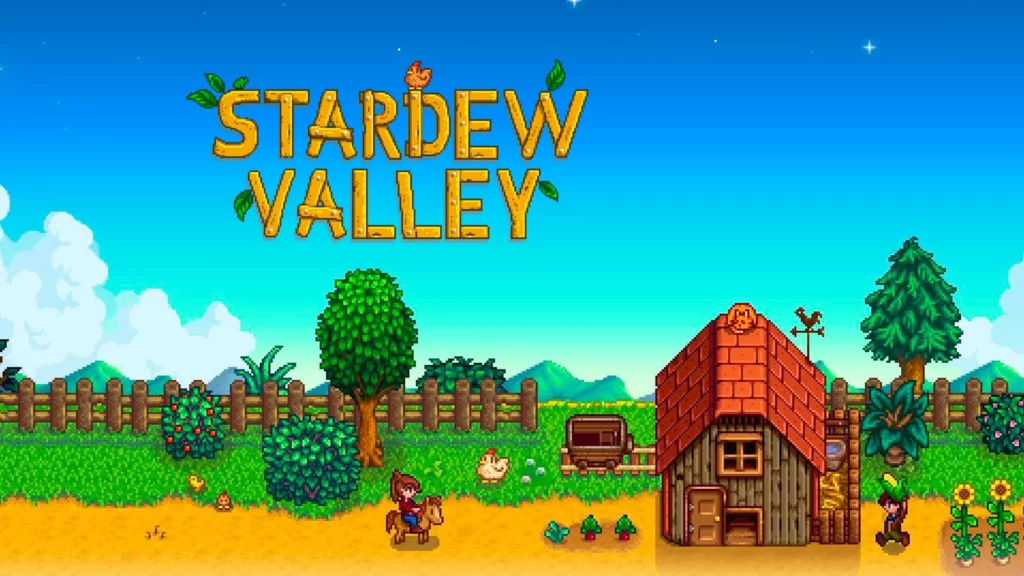
Created entirely by solo developer Eric “ConcernedApe” Barone, Stardew Valley is a farming simulation RPG that took over four years to build. Barone handled all coding, art, music composition, and game design himself. Released in 2016, the game has since sold over 30 million copies across multiple platforms and is considered one of the greatest indie success stories in gaming history. Barone continues to release free content updates, demonstrating the long-term commitment that characterizes the best indie developers.
Flappy Bird
Vietnamese developer Dong Nguyen built Flappy Bird in just 2–3 days, reusing artwork from earlier projects. The deceptively simple game launched in May 2013 and eventually became the most downloaded free app in 53 countries, generating approximately $50,000 per day in advertising revenue. Despite its massive success, Nguyen removed the game from app stores in February 2014, citing guilt over its addictive nature — a decision that highlighted the unique personal accountability indie developers feel toward their users.

CARROT Weather
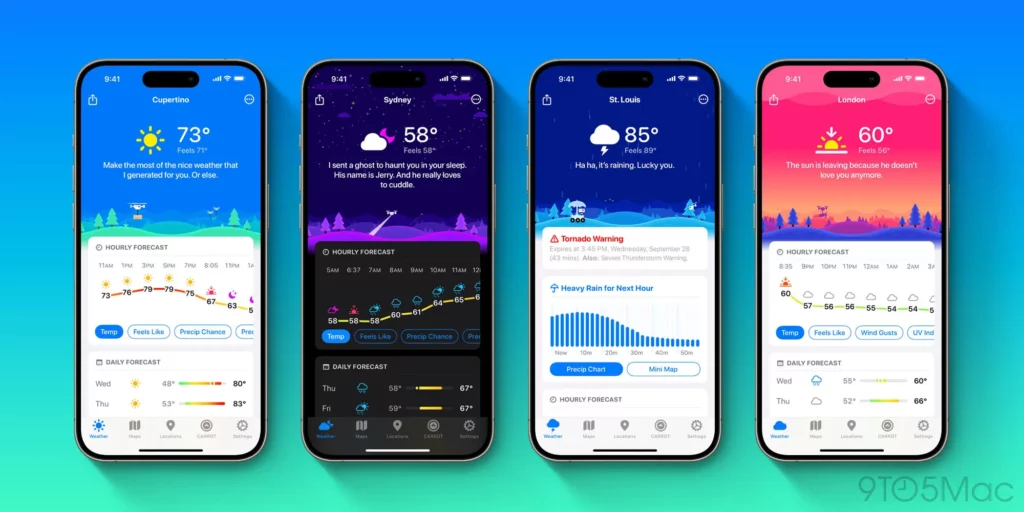
Solo developer Brian Mueller created CARROT Weather, an award-winning weather app known for its snarky AI personality, deep customization options, and best-in-class Apple Watch support. Mueller — who started with no development background and a degree in creative writing — codes, designs, illustrates, and writes all the app’s humorous content himself. CARROT Weather won an Apple Design Award and has been consistently recognized as one of the best weather apps on iOS, celebrating its 10th anniversary in 2025 with a characteristically unconventional musical update.
Halide
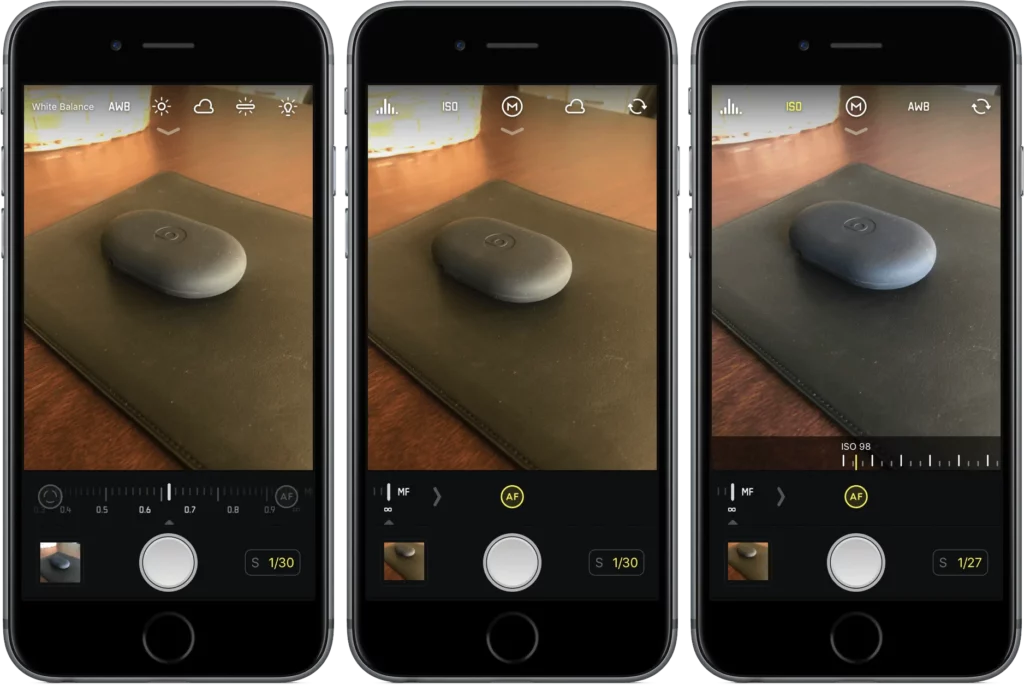
Built by a two-person team — designer Sebastiaan de With and developer Ben Sandofsky — Halide is a professional camera app for iPhone that rivals the capabilities of much larger competitors. The app launched with no marketing budget and took two years to generate enough revenue to support the team full-time. Apple awarded their follow-up app, Spectre, the App of the Year title. Halide exemplifies how indie developers can create premium, best-in-class tools through focused expertise and deep platform integration.
Overcast
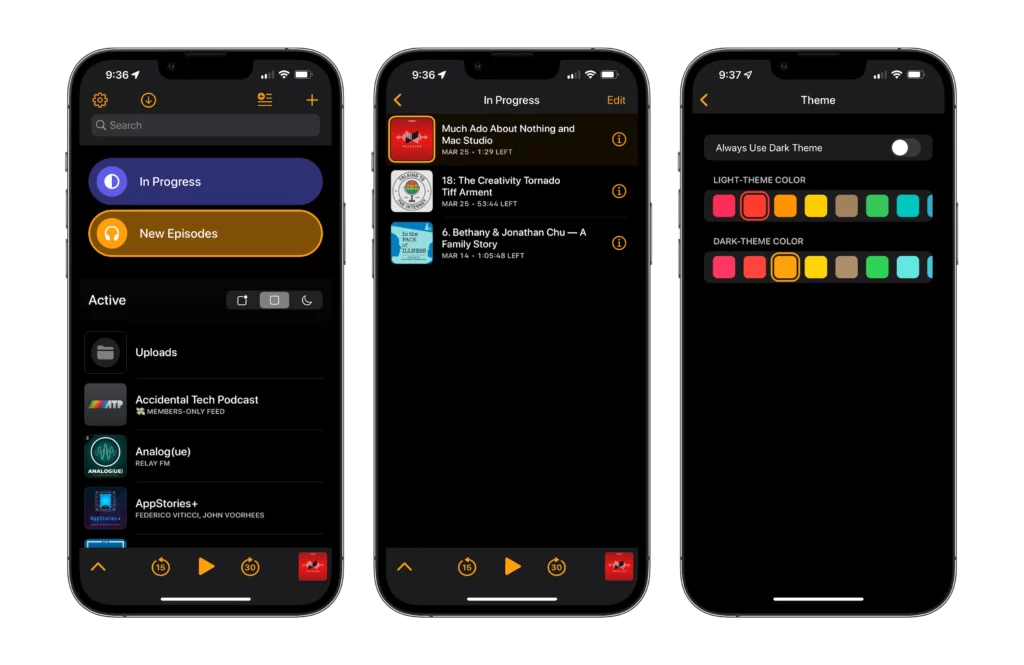
Created by Marco Arment, Overcast is widely regarded as the best podcast app for iOS. Arment, a well-known figure in the Apple developer community, built Overcast as a solo project, focusing on audio quality features like Smart Speed and Voice Boost that set it apart from both Apple’s built-in Podcasts app and other third-party alternatives. Overcast demonstrates how an indie developer with deep platform knowledge can create a product that outperforms apps built by large teams.
How to get into indie app development
Step 1: Learn the fundamentals of development
Start by learning a programming language relevant to the platform you want to target. For iOS development, learn Swift and familiarize yourself with Xcode and Apple’s development frameworks. For Android, learn Kotlin and Android Studio. For cross-platform development, consider Flutter or React Native. Online resources — including Apple’s official tutorials, Stanford’s free CS193p course, and community forums — provide excellent starting points for self-directed learning.
Step 2: Build something you personally need
The most successful indie apps often start as solutions to the developer’s own problems. Identify a gap in your daily workflow or a frustration with existing tools, then build a focused solution. This approach ensures genuine motivation throughout the long development process and guarantees at least one passionate user — yourself. Time tracking app Timelines, for example, was born from its creator’s personal fascination with time management.
Step 3: Start with a minimum viable product (MVP)
Resist the urge to build every feature before launching. Create an MVP with one core function that delivers clear value to users, then ship it. Early real-world feedback is far more valuable than months of speculative feature development. Validate your concept with actual users before investing heavily in polish and additional features. Use tools like TestFlight (for iOS) to distribute beta versions and gather feedback from early adopters.
Step 4: Choose the right monetization strategy
Decide early how your app will generate revenue. Common models include one-time purchases, freemium with in-app purchases, subscriptions, and advertising. Subscription models have become increasingly popular among indie developers because they provide predictable recurring revenue. Platforms like Adapty simplify in-app subscription implementation, paywall A/B testing, and analytics, allowing indie developers to focus on building great products rather than payment infrastructure.
Step 5: Invest in design and user experience
Even if you’re primarily a coder, prioritize the look and feel of your app. Indie apps that succeed tend to be well-designed and uniquely crafted. Study Apple’s Human Interface Guidelines or Google’s Material Design principles. Use system components effectively, support Dark Mode, and ensure your app feels native to the platform. Thoughtful design is often what separates successful indie apps from forgettable ones.
Step 6: Build in public and grow your audience
Share your development journey on social media, blogs, or YouTube. Building in public creates an audience before your app even launches, generates valuable feedback, and connects you with the broader indie developer community. Platforms like Twitter/X, Mastodon, and indie-focused communities like IndieHackers provide supportive environments for sharing progress and learning from others.
Step 7: Optimize for discovery
App Store Optimization (ASO) is critical for indie developers who lack large marketing budgets. Research relevant keywords, craft compelling app titles and descriptions, create attractive screenshots, and encourage user reviews. Monitor peer group benchmarks to understand how your app performs relative to similar products. Organic installs will likely be your primary growth channel, so invest time in making your app store listing as effective as possible.
Step 8: Iterate, listen, and persist
Launch is just the beginning. Continuously improve your app based on user feedback, analytics data, and platform updates. Track key metrics like active users, churn rate, lifetime value (LTV), and ARPU. The most successful indie developers are those who persist through the inevitable slow periods. Many indie success stories — including Stardew Valley, CARROT Weather, and Timelines — required years of dedicated work before achieving sustainable profitability.